【番組紹介】アプカス石川の特集ドキュメンタリー番組が放映/ NHK WORLD FRONTRUNNERS
2025.11.19 Social Entrepreneur – Ishikawa Naohito FRONTRUNNERS
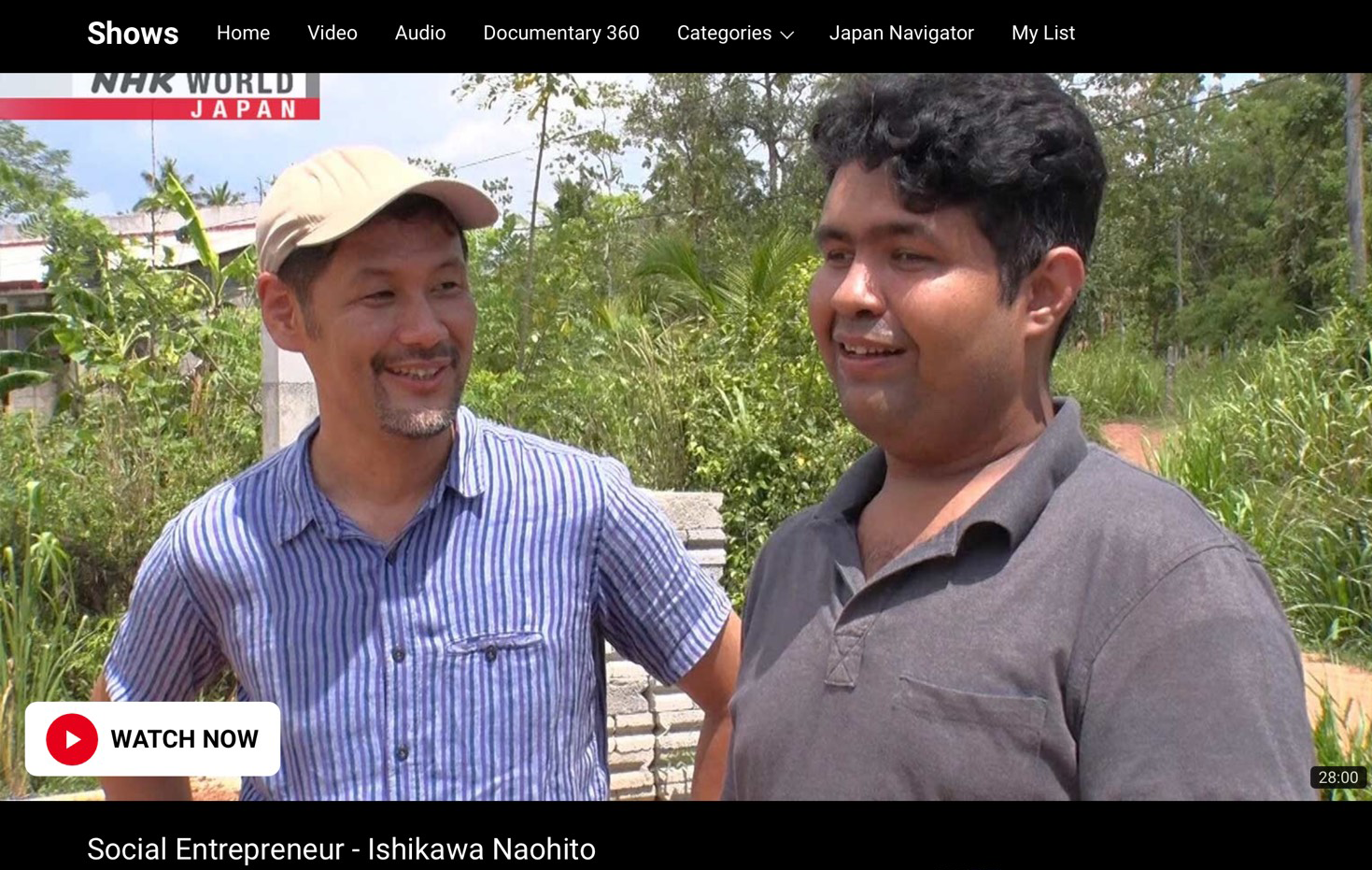
Social entrepreneur Ishikawa Naohito creates opportunities for Sri Lankans to enrich their lives. Projects include a massage salon employing the visually impaired, and an organic vegetable business.社会起業家の石川直人氏は、スリランカの人々がより豊かな生活を送るための機会を創り出している。彼のプロジェクトには、視覚障がい者を雇用する指圧サロンや、有機野菜の生産事業などが含まれている。
https://www3.nhk.or.jp/nhkworld/en/shows/2103042
Social Entrepreneur – Ishikawa Naohito
Social entrepreneur Ishikawa Naohito creates opportunities for Sri Lankans to enrich their lives. Projects include a massage salon employing the visually impaired, and an organic vegetable business.
Close
Broadcast on November 19, 2025
【放送内容の概要/日本語】
スリランカの社会起業家・石川直人氏の20年の軌跡について
第1章 環境教育から始まった現地での葛藤
── 2004年年末の「運命の大津波」
■ 2002年:環境教育隊員としての赴任
石川氏はJICA青年海外協力隊の「環境教育」隊員としてスリランカへ派遣された。
ゴミ問題や環境啓発などが任務だったが、内戦下のスリランカでは、人々の生活そのものが危機的で、
当初の活動が“本当に意味があるのか”と葛藤する日々が続いた。
■ 2004年:スマトラ沖地震・大津波
任期が終わる直前の12月、壊滅的な津波がスリランカ沿岸を襲い、3万人以上が犠牲に。
石川氏は「日本に戻るか」「現地に残るか」を決断を迫られた。
「今、逃げられない」
この覚悟が、石川氏の“支援者としての第二の人生”のスタートとなった。
第2章 “支援は人を変える”という現実
──「物乞いにしてしまったのは自分たちだった」
■ 緊急支援に奔走した日々
NGO「APCAS」を立ち上げ、
・住宅再建
・漁師へのボート・漁網配布
など「モノを与える支援」を続けた。
■ 漁師からの一言がすべてを変えた
ある日、漁師から言われた言葉が心に突き刺さった。
「次はいつボートをくれる?もっといい網はないのか?」
支援が“おねだり”へ変わり、働く意思を奪っていた現実に愕然とする。
■ 支援から自立へ
石川氏はここで方向転換を決断。
「与える支援」→「働くことで自立する仕組み」へ。
これがのちのソーシャルビジネスの原点となる。
第3章 視覚障害者が輝く職場をつくる
──「Thusare Talking Hands」の誕生
■ 社会から“隠されていた”視覚障害者
スリランカでは、視覚障害者は偏見により家に隠されがちで、就労機会はほぼゼロ。
■ 触覚の鋭さに着目
石川氏は彼らの能力を生かす道として、
日本の専門性の高い 指圧(Shiatsu) に目を向ける。
● 指圧導入のポイント
- 解剖学・生理学を含む科学的トレーニング
- 「障害者だから」ではなく「技術が優れているから」選ばれる店をつくる
- 同情を拒否し、“実力勝負”で勝負する
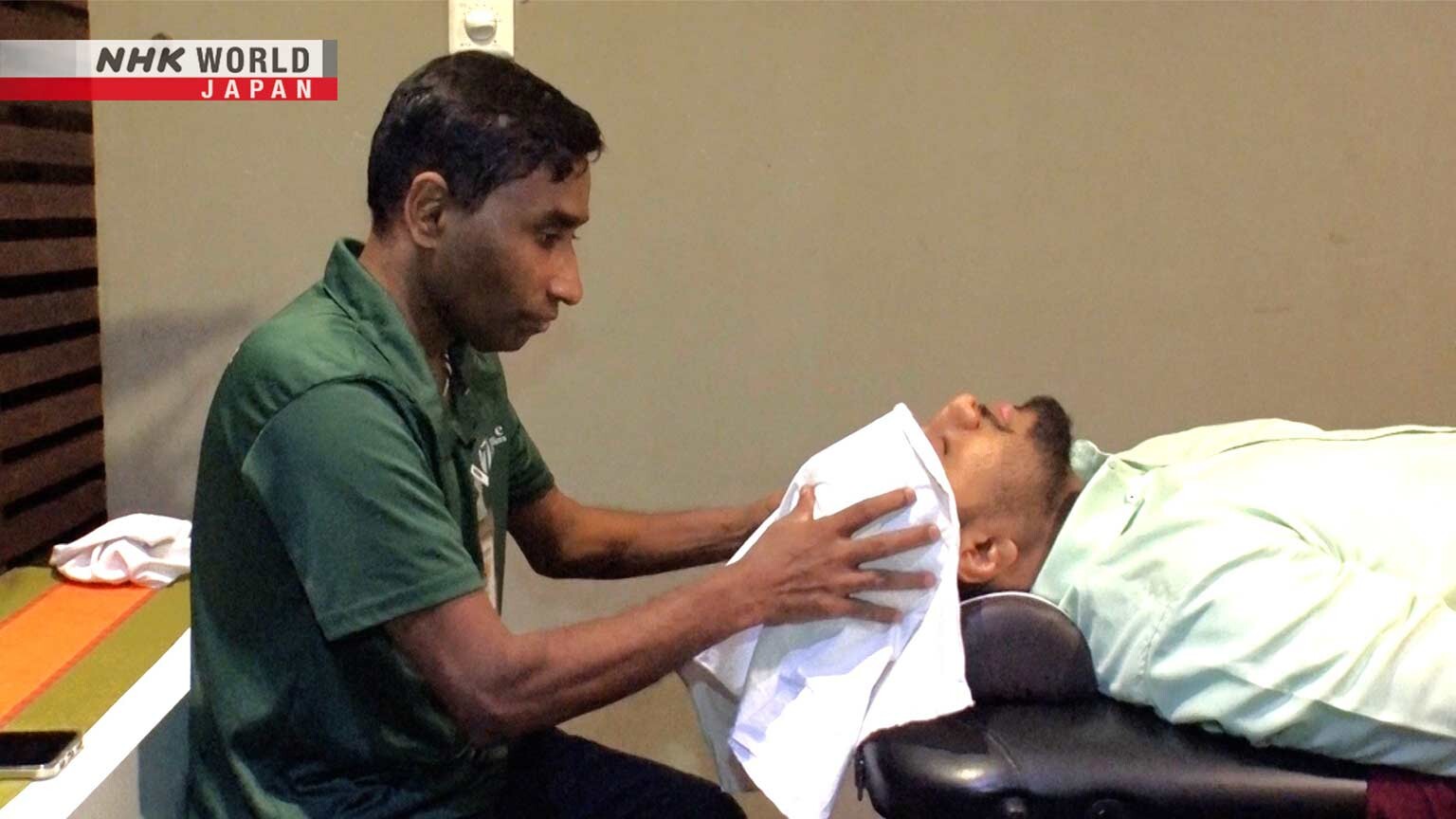
■ 結果:家族を支える「大黒柱」へ
現在では視覚障害者スタッフは高収入を得るまでに成長し、
家族の中心的存在となっている。
「障害者」ではなく「プロフェッショナル」として生きる未来を実現した革命的な事例である。
第4章 農家と命を守るための闘い
──「Kenko 1st」オーガニック革命
■ 農村地帯を襲ったCKD(慢性腎臓病)
スリランカの乾燥地域では、原因不明の腎臓病が多発し、多くの農家が亡くなっていた。
石川氏は、過剰な農薬・肥料による水源汚染が原因の一つと考え、対策に乗り出す。
■ 有機農業への転換の難しさ
- 収量が減る
- 手間が増える
- 売り先がない
これでは農家は動かない。
■ だから「出口戦略」を作った
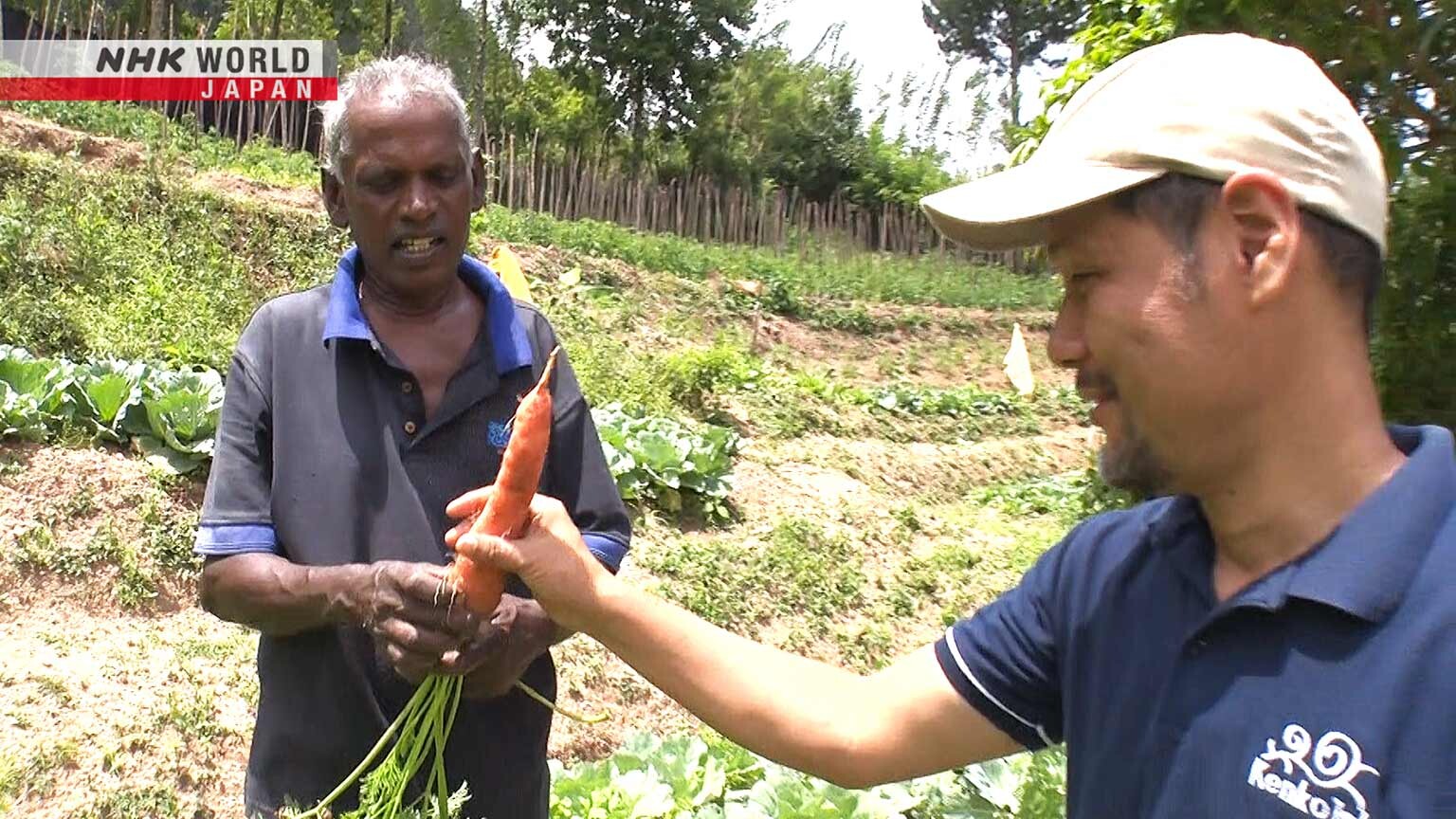
富裕層向けショップ Kenko 1st を開設し、
“良いものは高く売れる” という循環を作ることで農家を説得。
■ 結果
農家の健康と収入を守り、環境保全にもつながる持続可能なモデルが完成した。
第5章 経済危機でも逃げない
──「共に歩く(Tomo ni Aruku)」という哲学
■ 2022年:国家破産・ガソリン不足・停電
スリランカが国家破産し、多くの外国人が撤退する中、
石川氏は現地に残ることを選んだ。
■ 自転車での配達
燃料がない中、石川氏は自転車で野菜を運び、
スタッフと同じ苦しみを共有しながら事業を継続。
■ “支援者ではなく仲間”
石川氏の根底にある価値観は
「支援してあげる」ではなく「共に歩く」
という対等な関係性。
目標は、
自分が日本に帰っても、スリランカの人々だけで事業が続くこと。
それこそが真の自立だと考えている。
第6章 まとめ
──これは援助の話ではなく、“人の再生”の物語である**
この20年の歩みは、
災害支援 → 失敗 → 依存 → 自立支援 → 社会起業
という進化の連続だった。
石川氏が体現してきたのは、
- 人の誇りを守る支援
- 助け合いではなく“協働”
- 弱い立場の人の可能性を解き放つ仕組みづくり
- 危機でも逃げず、同じ目線で立つ姿勢
という、**本質的な「人間の復興」**の物語である。

インタビューでは、日頃から支えてくださっている皆さまへの感謝の言葉も交えながら話したようですが、放送時間の都合で割愛されたとのことです笑
この場をお借りして、改めて心より御礼申し上げます。
Outline of the TV Program (English Summary)
The 20-year Journey of Sri Lankan Social Entrepreneur Naoto Ishikawa
Chapter 1 – From Environmental Education to a Life-Changing Tsunami
2002: Arrival as an Environmental Education Volunteer
Naoto Ishikawa first went to Sri Lanka in 2002 as a JICA volunteer in “environmental education.”
His work focused on garbage issues and environmental awareness.
However, Sri Lanka was in the middle of a civil war, and many people were struggling just to survive.
He began to ask himself if his activities were really meaningful in this situation.
2004: The Indian Ocean Earthquake and Tsunami
At the end of his term, in December 2004, a massive tsunami hit Sri Lanka’s coast and killed more than 30,000 people.
Ishikawa had to choose: return safely to Japan or stay and help in the disaster area.
He decided,
“I cannot run away now.”
This decision became the starting point of his second life as a “supporter” in Sri Lanka.
Chapter 2 – When “Aid” Changes People
“We Turned Them into Beggars”
Emergency Aid with APCAS
Ishikawa founded the NGO APCAS and worked on emergency relief such as:
- Rebuilding houses
- Providing fishing boats and nets to fishermen
It was a typical style of aid: giving material support to people who had lost everything.
A Fisherman’s Words That Changed Everything
After some years of support, one fisherman said to him:
“So, when will you give us the next boat?”
“Don’t you have better nets for us?”
Ishikawa was shocked.
These fishermen once had pride in their work, but now they were waiting for the next free support instead of trying to stand on their own feet.
From “Giving Aid” to “Supporting Independence”
He realized:
“Our good intentions may have taken away their pride and created dependence.”
From this deep reflection, Ishikawa decided to move away from one-way charity and shift to social business, where people can earn an income through their own work.
Chapter 3 – Creating a Workplace Where Visually Impaired People Shine
The Birth of “Thusare Talking Hands”
Visually Impaired People Hidden from Society
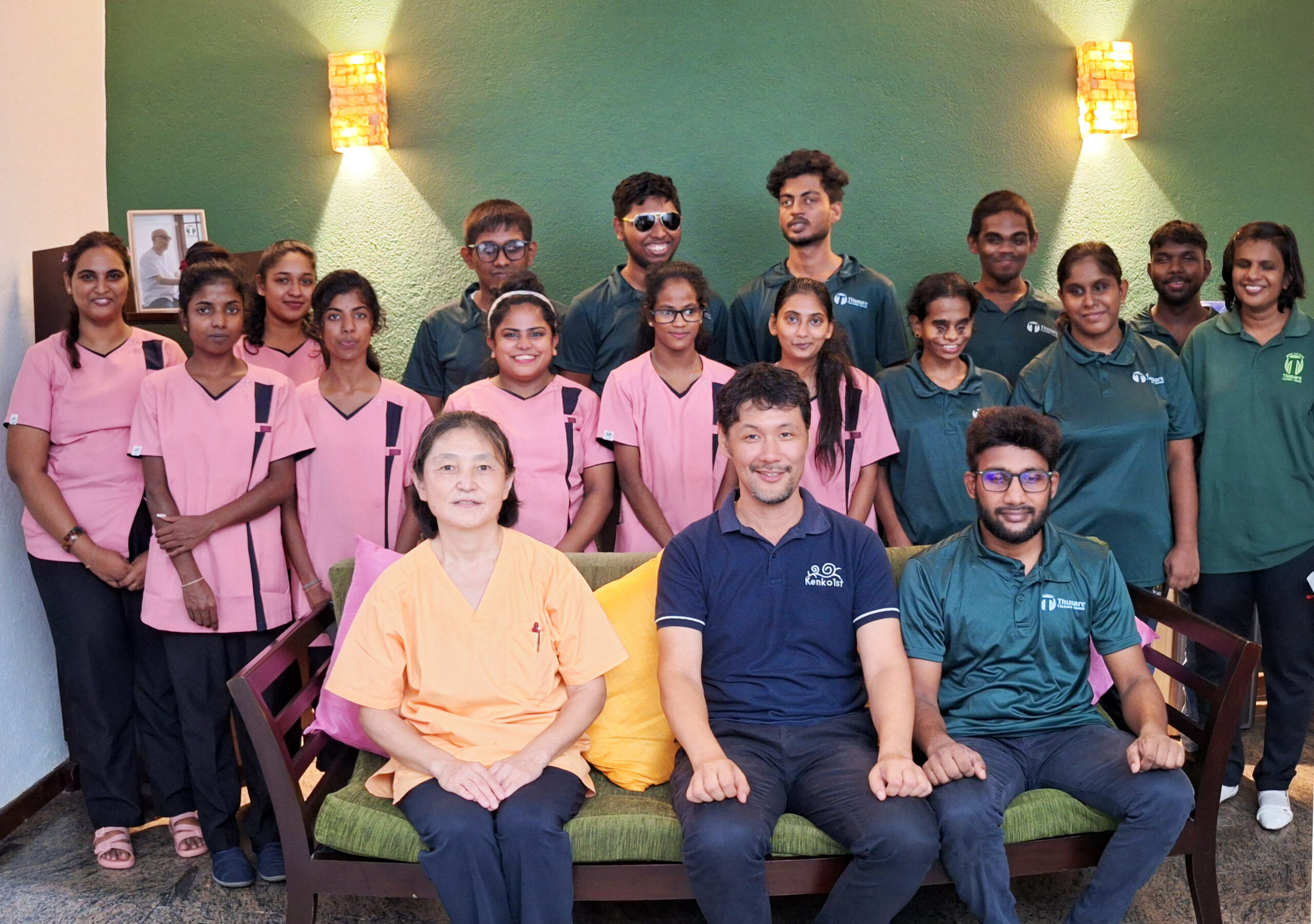
In Sri Lanka, visually impaired people often face strong prejudice.
Families may hide them at home, and real job opportunities are almost zero.
Focusing on Their Strength: Sensitive Touch
Ishikawa saw a possibility in their sharp sense of touch.
He decided to introduce Japanese-style Shiatsu massage, which requires high professional skills.
Key Points of the Shiatsu Program
- Training includes anatomy and basic medical knowledge
- The goal is professional quality, not “charity work”
- The salon must be chosen because the technique is excellent, not because the staff are disabled
- The concept is “no pity, only skill.”
Results: Becoming the Main Breadwinner
Today, some visually impaired therapists at Thusare Talking Hands earn an income higher than the national average.
They have become the main breadwinners of their families.
Instead of being “hidden” at home, they now live as professionals who are trusted and respected.
A visually impaired man with almost no work opportunities now earns a high income through Japanese-style massage.
Chapter 4 – Protecting the Lives of Farmers
The “Kenko 1st” Organic Revolution
CKD: A Silent Threat in Rural Areas
In the dry zone of Sri Lanka, many farmers suffer from chronic kidney disease (CKD).
A large number of farmers have died, and the cause is still not fully clear.
Ishikawa suspected that one reason was pollution of soil and groundwater caused by overuse of chemical fertilizers and pesticides.
The Difficult Shift to Organic Farming
However, moving to organic farming is not easy:
- Yields may decrease
- Work becomes more time-consuming
- There is no stable market to sell at a good price
Under these conditions, farmers have no motivation to change.
Creating an “Exit Strategy”
To solve this, Ishikawa opened an organic shop called Kenko 1st in Colombo.
It targeted wealthy customers and expatriates who are willing to pay fair prices for safe and healthy food.
By creating a market where “good products can be sold at a good price,”
he encouraged farmers to try organic farming.
Results
This model:
- Protects the health of farmers
- Provides safe food for city residents
- Contributes to environmental conservation
With an organic vegetable business, Ishikawa hopes to improve the health of both farmers and city residents.
Chapter 5 – Staying in Crisis
The Philosophy of “Walking Together” (Tomo ni Aruku)
2022: National Bankruptcy, Fuel Shortages, and Power Cuts
In 2022, Sri Lanka faced a severe economic crisis and effectively went bankrupt.
Fuel shortages and long blackouts made daily life extremely difficult.
Many foreign companies and expatriates left the country.
Ishikawa chose to stay.
Deliveries by Bicycle
When there was no fuel for cars and trucks, he delivered vegetables by bicycle.
He continued the business side by side with local staff, sharing the same difficulties.
Not a “Helper,” but a “Partner”
At the core of Ishikawa’s work is the idea that:
- He is not there to “help from above,”
- but to walk together with local people as equal partners.
His final goal is that:
Even if he returns to Japan,
the people of Sri Lanka can continue and grow the business by themselves.
For him, that is what true independence means.
Chapter 6 – Conclusion
Not Just “Aid,” but a Story of Human Recovery
Over these 20 years, Ishikawa’s work has evolved through many stages:
Disaster relief → Failure → Dependence → Support for independence → Social business
Through this journey, he has tried to:
- Protect people’s dignity and pride
- Build cooperation, not one-way “aid”
- Create systems that unlock the potential of people in vulnerable situations
- Stay in times of crisis and stand at the same eye level as local people
This is not just a story about development projects.
It is a story about the recovery and rebirth of human beings.
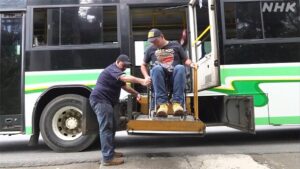
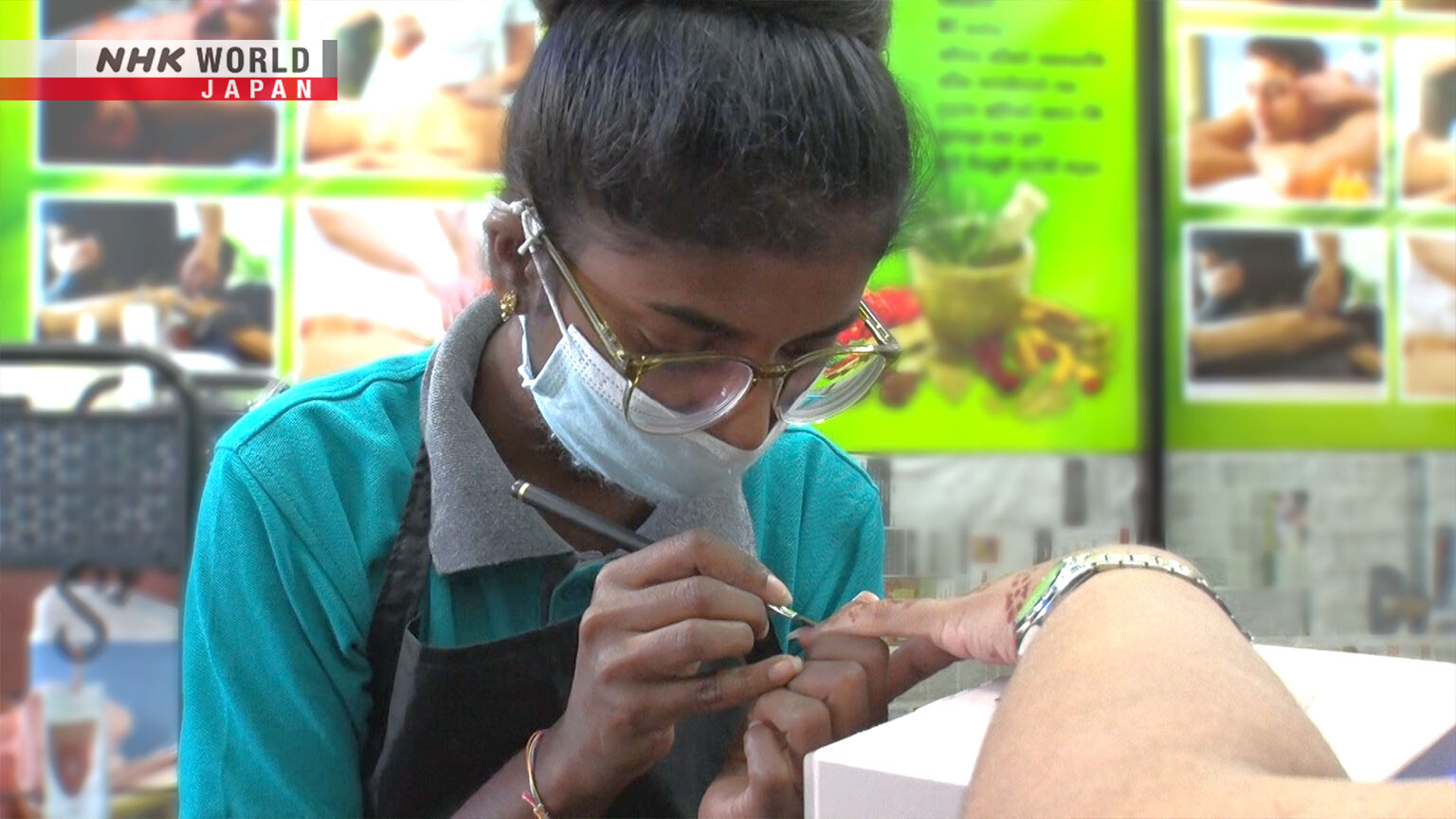
A hearing-impaired woman also begins working with confidence as a nail artist, showing how new opportunities can change a life.